Conservation
We focus our efforts where Indigenous stewardship, biodiversity, and policy converge — protecting what works and regenerating what has been damaged.
Each program runs its own scientific agenda, partner network, and funding stream. All four share the same four practices: conservation, science, outreach, and storytelling.


Four practices · in every program
Stingless Bees is currently accepting donations. The other three programs are in active development with Indigenous partners.
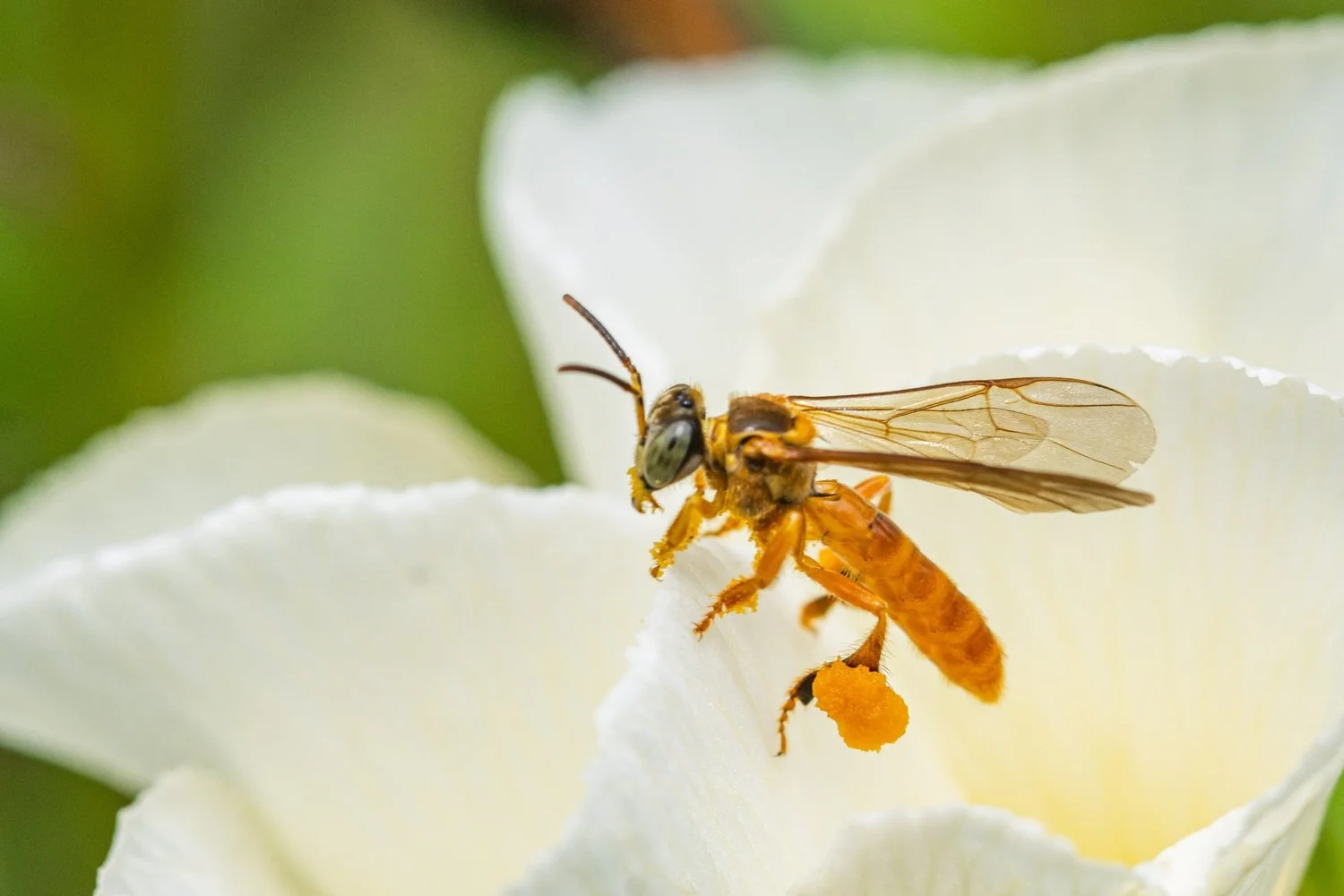 Accepting donations
 Safeguarding Amazonian stingless bees through species mapping, honey analysis, female-led beekeeping, and Indigenous-led conservation and regeneration
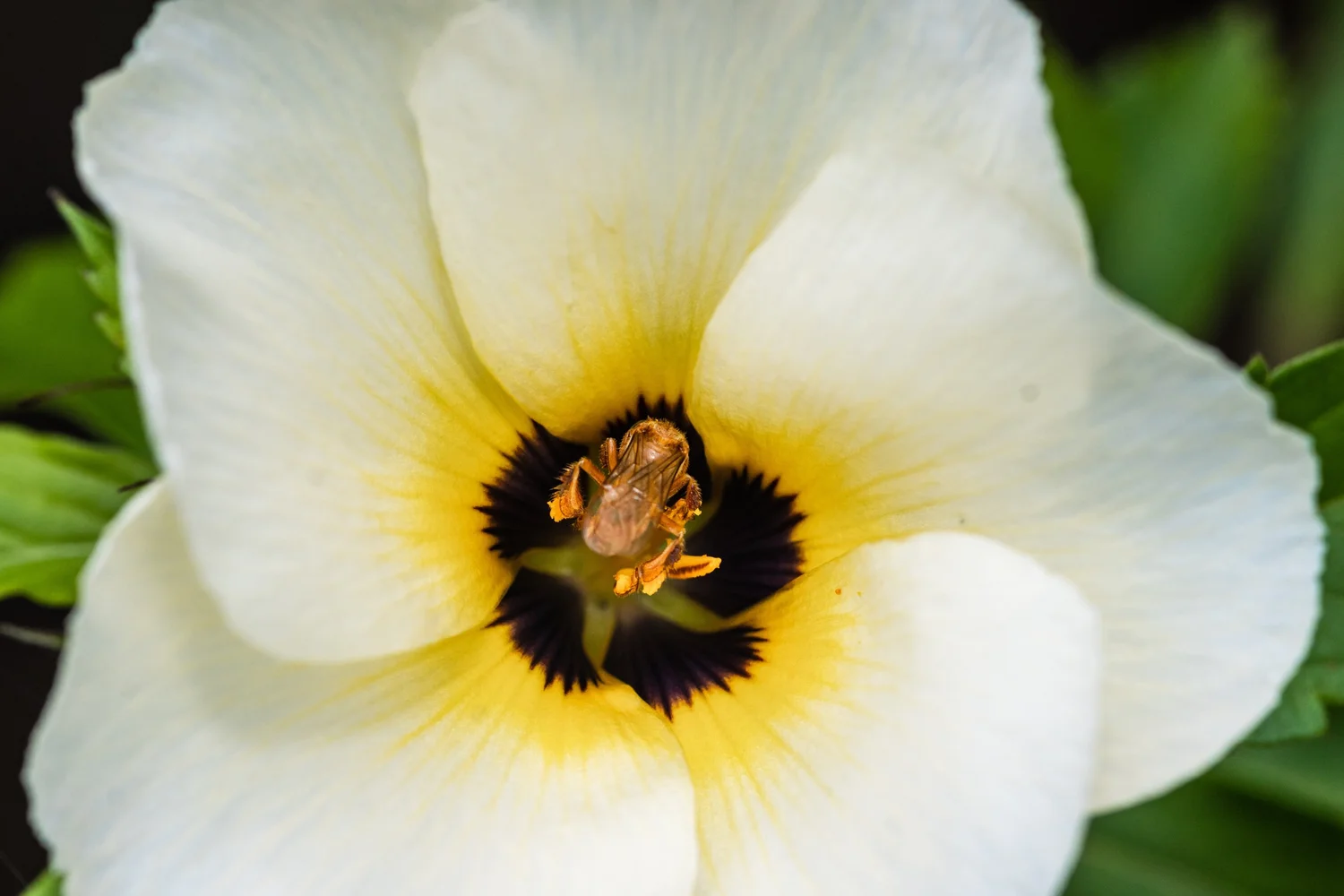
Using science and Indigenous advocacy to recognise rights for ecosystems and species — from legal protections for stingless bees to emerging Rights of Nature frameworks across the Amazon and globally
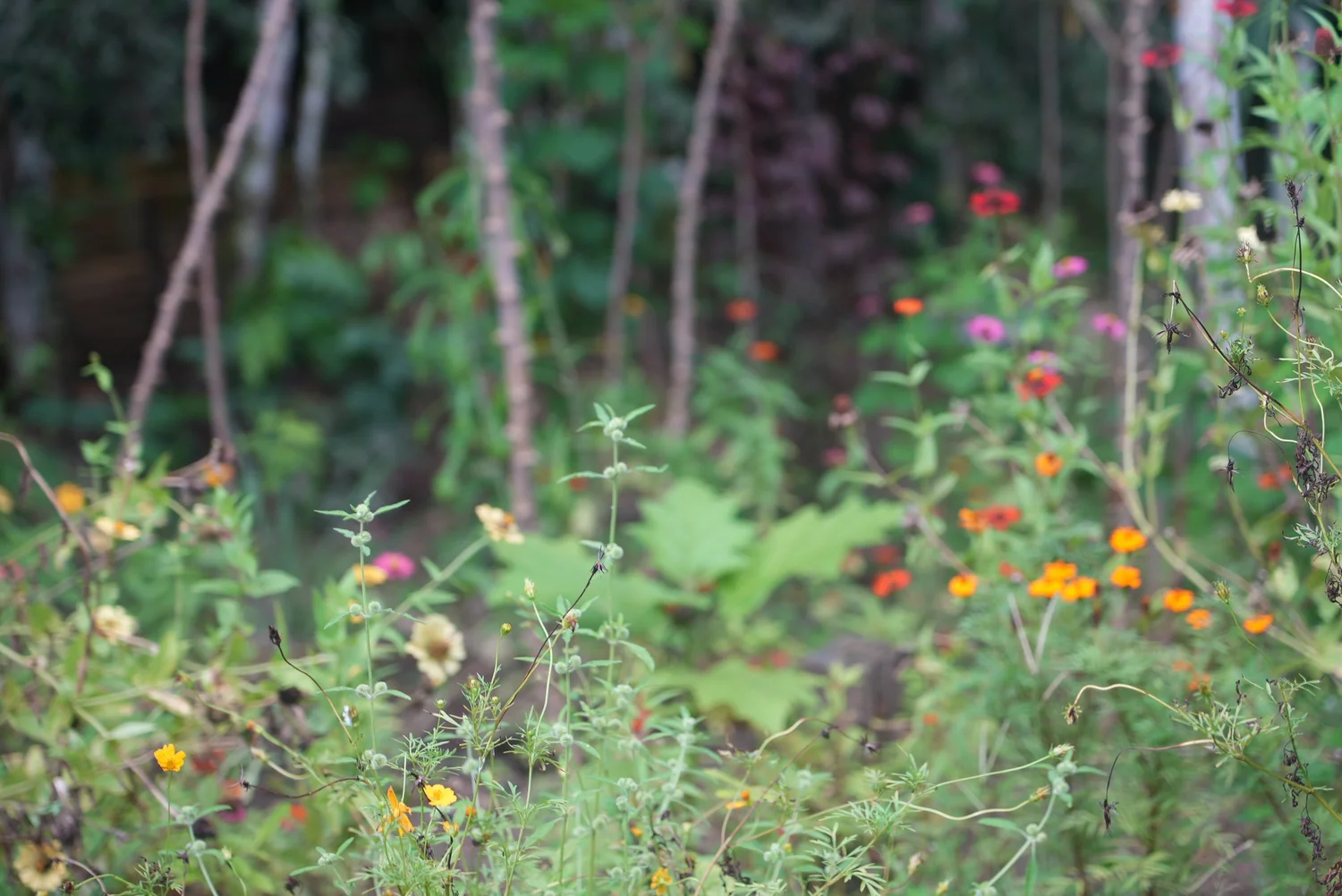
Community medicinal gardens that combine traditional ecological knowledge with modern science to restore degraded land and support the first pharmacopeia in Indigenous languages
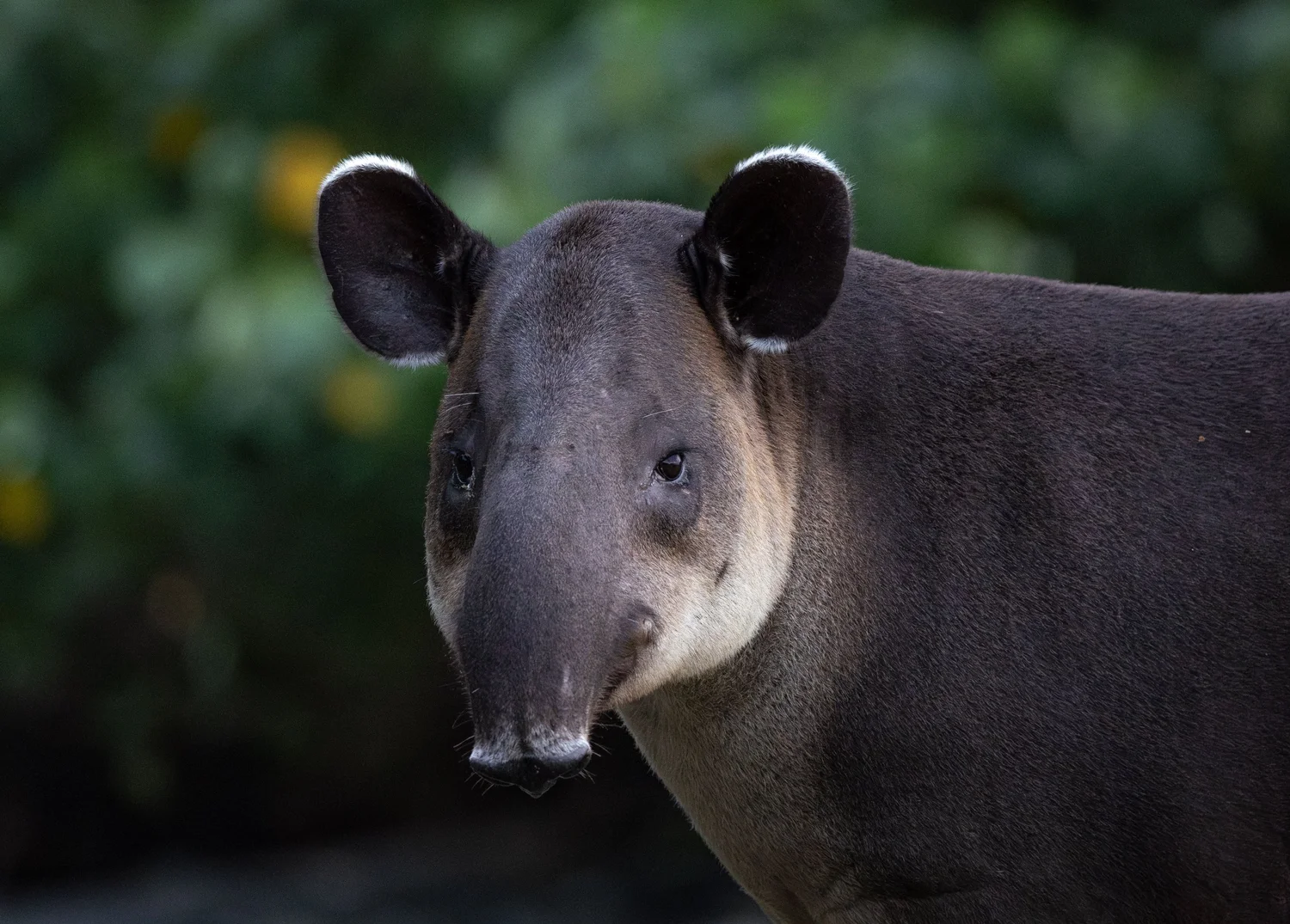
Field studies and habitat protection for Evolutionarily Distinct, Globally Endangered species in the Peruvian Amazon — co-led with Ashaninka park rangers and university partners
Our fieldwork spans the Peruvian Amazon and the Bolivian Madidi region, in partnership with Kukama-Kukamiria, Ashaninka, Shipibo-Konibo, and Ese Ejje communities.

We work with multiple local communities in Nauta along the Marañón River, including Kukama-Kukamiria groups.
We work in the UNESCO-recognised Biosphere Reserve Aviveri-Vraem and buffer zones with Ashaninka communities.
We work with Shipibo-Konibo Indigenous communities.
Our headquarters are based in Lima.
We collaborate with Ese Ejje women in the Parque Nacional y Área de Manejo Integrado Madidi.
Every program is built on these four practices. The programs answer what we work on; the practices describe how.
We focus our efforts where Indigenous stewardship, biodiversity, and policy converge — protecting what works and regenerating what has been damaged.
We design our studies with the people who live in the forest. Modern science and traditional knowledge are integrated through Indigenous co-authorship and collaborative research
We invest in women, youth, Indigenous leaders and scientists — building local capacity and bioeconomies that make conservation viable
We collaborate with photographers, filmmakers, and writers to tell the story of the Amazon truthfully and at scale.